

Source: Leadership Newspaper
Nigeria is not okay right now. Between the kidnappings in Oyo State and bandit attacks tearing through communities, there is enough weight in the news cycle to stop anyone in their tracks. And yet, if you open your phone, you will find something sitting right beside all that grief, someone dancing with a caption on the top of the screen: “If bandit come now I’ll run”
Two Timelines, One Crisis
In moments when a country is visibly strained, social media reveals two parallel worlds. On one side are those reporting, grieving, and calling for accountability. On the other is a growing wave of posts that turn the same reality into jokes, trends, and engagement bait.As conversations around insecurity dominate public discourse in Nigeria, a different kind of response has been circulating online, one that frames distressing realities as punchlines and viral material. You have seen the captions. “If na me bandit hold, I for follow am.” A trending sound underneath. Dance moves. Posted, liked, shared. And if you challenge it, you are told the same thing every time: It’s cruise, relax.
But is it?

The Algorithm Does Not Grieve
The modern digital economy rewards attention. Platforms like TikTok, X, and Instagram do not distinguish between sensitivity and virality, they reward what holds attention longest. In that environment, almost anything becomes content: tragedy, frustration, fear, public pain. The algorithm does not pause to ask whether a moment deserves reflection. It simply amplifies what performs.
This is where the problem begins. We now live in an era where anyone with a phone and a ring light wakes up and declares themselves a content creator not because they have something to say, but because they are chasing a few seconds of fame. The platform rewards whoever grabs the moment fastest, whoever can turn anything, including a national crisis, into engagement. And so people do.
Coping or Exploiting?
Let us be clear: humor has always been a survival language in Nigeria. We laugh in the middle of hardship because sometimes laughter is the only thing that does not break us. That coping mechanism is real and valid.
But there is a difference between laughing to survive and performing for the algorithm using other people’s pain as your backdrop. One acknowledges the weight of reality. The other exploits it. When serious national issues are reduced to jokes designed for engagement, something important is lost, context and empathy. The lived experiences behind these events are flattened into punchlines, detached from the people actually affected.
Children were kidnapped in Oyo State. Real children. Real parents waiting and hoping for their kids to come back. Real communities shattered and living in fear. That is not a backdrop for your next post.
What Content Is Actually For?
Content, when used well, is genuinely powerful. It can educate, shift perspectives, hold leaders accountable, and push conversations that matter. It’s about governance, about voting, about what Nigerians deserve from those in power. That is content earning its place in the conversation.
But content that turns a kidnapping into a punchline? That uses the fear of an entire region to boost an account’s numbers? That is not creative expression. It is not entertainment. It is noise and the people suffering deserve better than to become someone’s trending moment.
Some Things Are Not Content
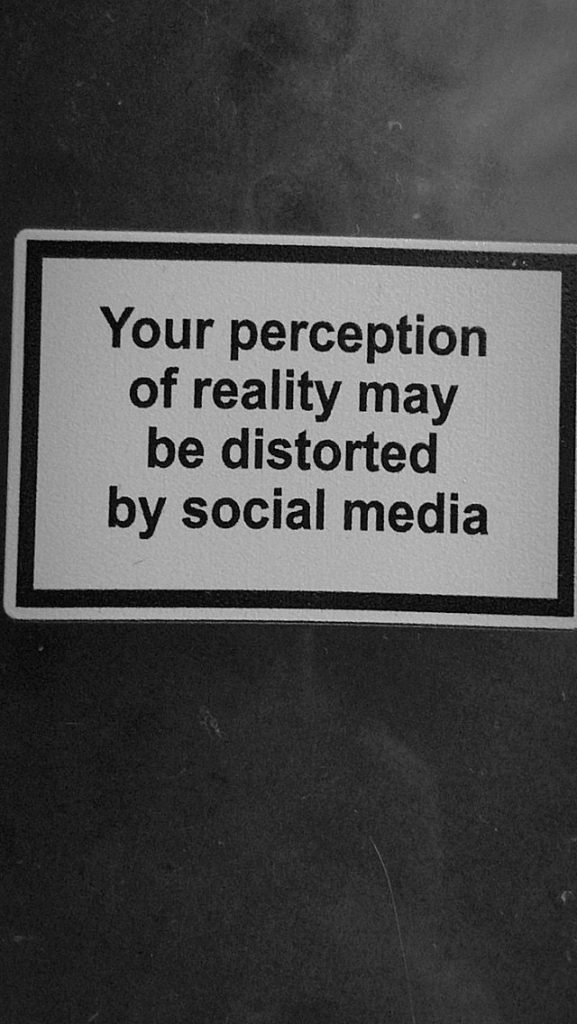
Accountability online does not mean silence. It means awareness, it means recognizing that while a post disappears after a scroll, the realities it references do not.
The next time something terrible happens in Nigeria, the question worth asking before you hit record is simple: Am I actually saying something, or am I just using this?
Because not everything that trends deserves to be entertained. Some things simply deserve to be understood.
The post Not Everything Is Content appeared first on Agbonstyle.com.